Archives
- 2026-07
- 2026-06
- 2026-05
- 2026-04
- 2026-03
- 2026-02
- 2026-01
- 2025-12
- 2025-11
- 2025-10
- 2025-09
- 2025-03
- 2025-02
- 2025-01
- 2024-12
- 2024-11
- 2024-10
- 2024-09
- 2024-08
- 2024-07
- 2024-06
- 2024-05
- 2024-04
- 2024-03
- 2024-02
- 2024-01
- 2023-12
- 2023-11
- 2023-10
- 2023-09
- 2023-08
- 2023-06
- 2023-05
- 2023-04
- 2023-03
- 2023-02
- 2023-01
- 2022-12
- 2022-11
- 2022-10
- 2022-09
- 2022-08
- 2022-07
- 2022-06
- 2022-05
- 2022-04
- 2022-03
- 2022-02
- 2022-01
- 2021-12
- 2021-11
- 2021-10
- 2021-09
- 2021-08
- 2021-07
- 2021-06
- 2021-05
- 2021-04
- 2021-03
- 2021-02
- 2021-01
- 2020-12
- 2020-11
- 2020-10
- 2020-09
- 2020-08
- 2020-07
- 2020-06
- 2020-05
- 2020-04
- 2020-03
- 2020-02
- 2020-01
- 2019-12
- 2019-11
- 2019-10
- 2019-09
- 2019-08
- 2019-07
- 2019-06
- 2019-05
- 2019-04
- 2018-07
-
br Materials and methods br Results
2024-09-14
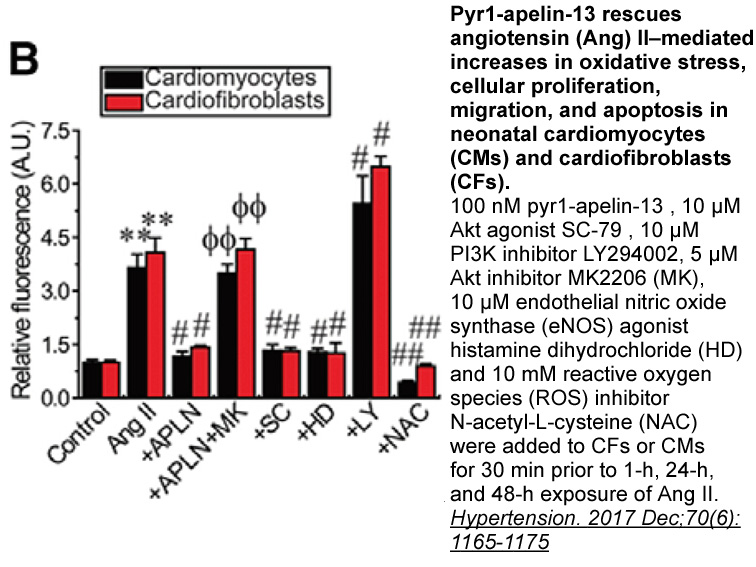
Materials and methods Results RT-PCR showed that both arginase 1 and 2 were expressed in the OB of Korean roe deer (Fig. 1). Immunoblotting detected arginase 1 in the OB of roe deer (Fig. 2A, left lane) at a molecular weight of approximately 37kDa, which is the size of the enzyme in the rat O
-
Pyridostatin Serum concentrations of acute phase proteins AP
2024-09-14
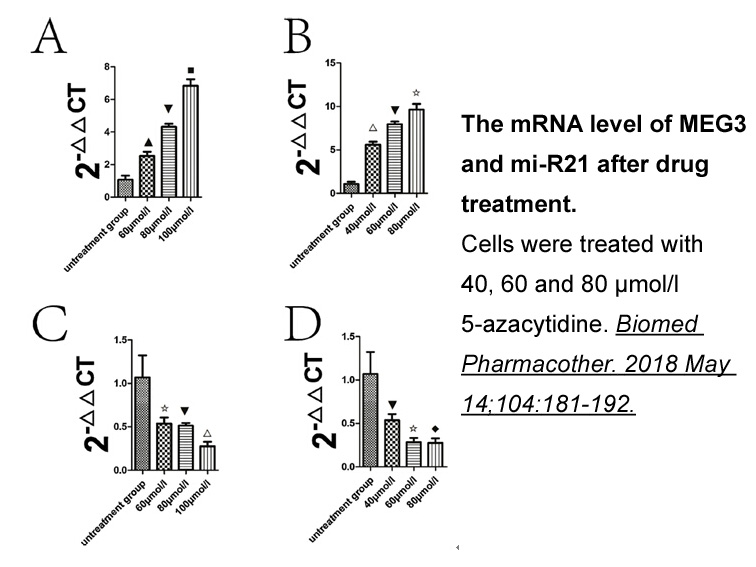
Serum concentrations of acute phase proteins (APP) and of antioxidants have proved to be clinically useful biomarkers of pyometra in different species, including bitches, cows and mares [[11], [12], [13], [14], [15]]. Acute phase proteins are being increasingly used in both human and veterinary medi
-
br AR mediated actions in cells
2024-09-14
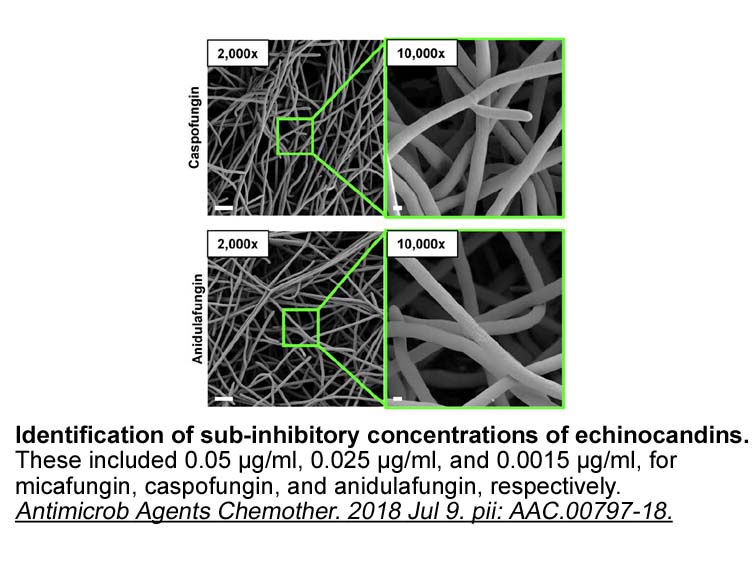
AR-mediated actions in opioid receptor antagonist of the vascular wall Sex hormones may influence the size and composition of atherosclerotic lesions indirectly by modifying systemic cardiovascular risk factors such as plasma lipids profiles and insulin sensitivity; this aspect of their action is
-
ACY1215 Histochemical analyses using antibody or cDNA probes
2024-09-14
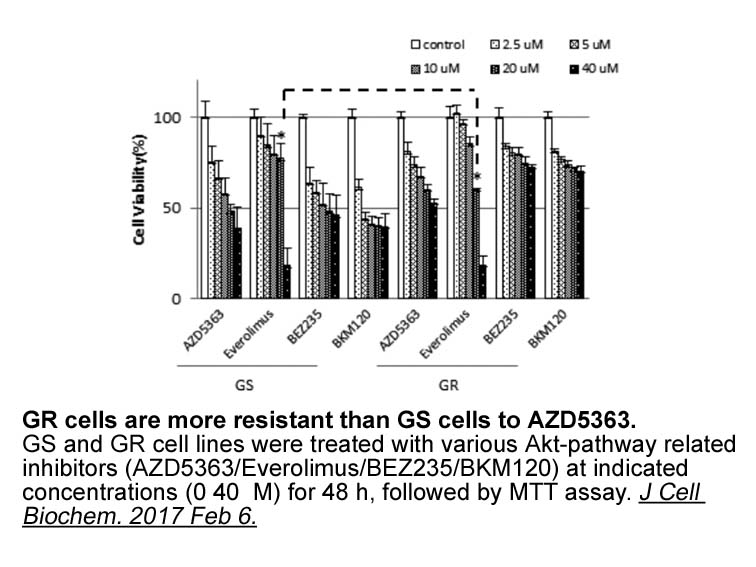
Histochemical analyses using antibody or cDNA probes reveal the precise cellular location of the 12S-lipoxygenases in tissues of interest. An immunohistochemical study in various rat tissues showed specific expression of the leukocyte-type 12S-lipoxygenase in macrophages in lung and spleen [27]. In
-
In this study using pure enzyme preparations of human
2024-09-14
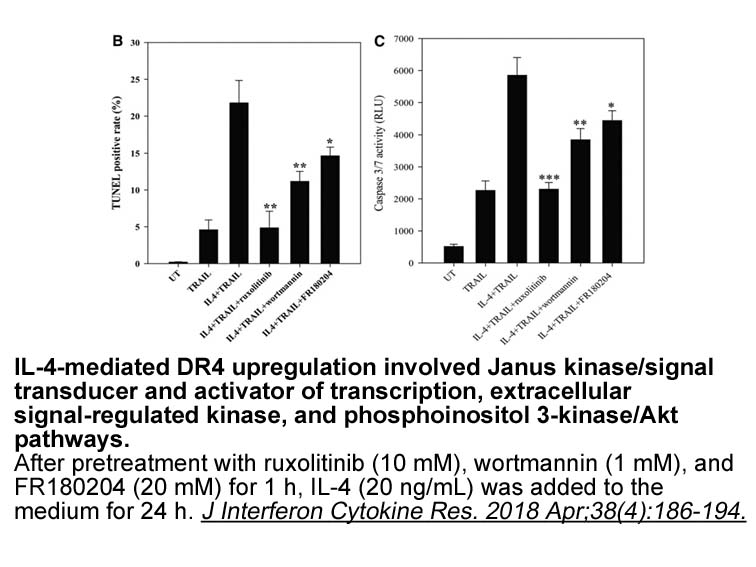
In this study, using pure enzyme preparations of human placental recombinant AR (hAR) and of AR isolated from bovine lens (bAR), which behave as Michaelis abk with glyceraldehyde as substrate, is shown that an apparent negative cooperativity action for glucose still occurs. We present evidence for
-
In the search for more
2024-09-14
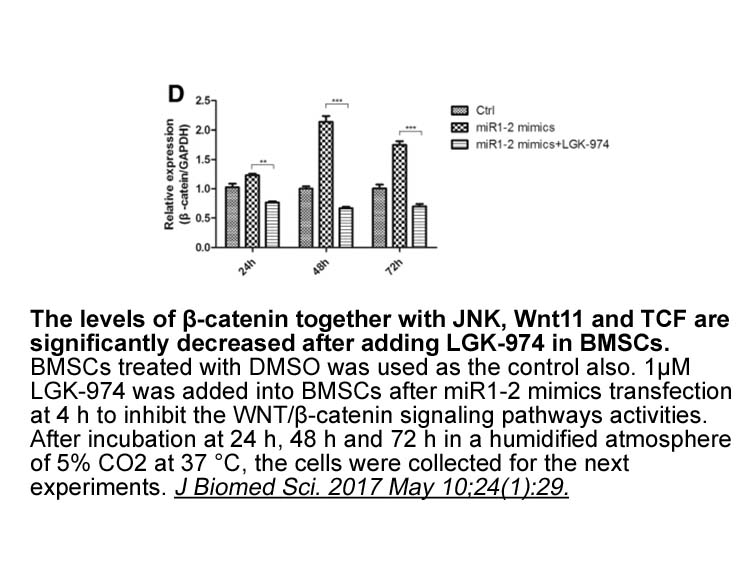
In the search for more specific inhibitors of uptake2, Iversen and Salt (1970) speculated that steroids may potentiate the actions of catecholamines on vascular smooth muscle by inhibiting uptake2-mediated catecholamine clearance of the transmitters. They went on to demonstrate that a variety of ste
-
The overall adjustment the non toxicity
2024-09-14
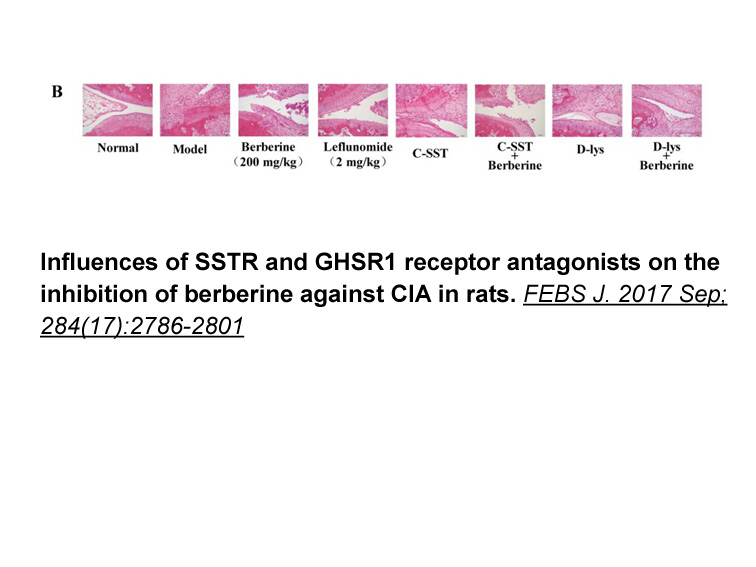
The overall adjustment, the non-toxicity and the addiction-free treatment methods are the advantages of EA. EA treatment for depression has achieved great clinical effect in recent years (Dong et al., 2017). The clinical practice guideline of the American college of physicians (ACP) have pointed out
-
Atorvastatin Calcium The physiological effect of adenosine i
2024-09-14
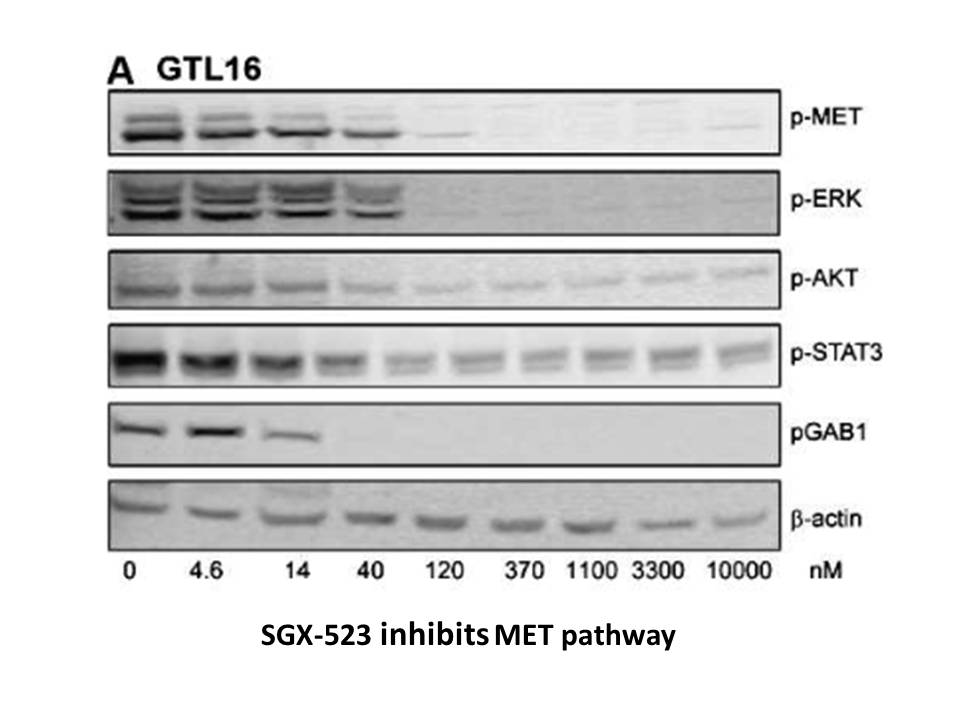
The physiological effect of adenosine is now considered a new direction in halting the progression of organ damage in cardiovascular disease [24], [25], [26]. Adenosine has diverse functions, depending on its interaction with different receptor subtypes: A1, A2A, A2B, and A3[24], [25], [26]. Stimula
-
Adenosine is a ubiquitous homeostatic
2024-09-14
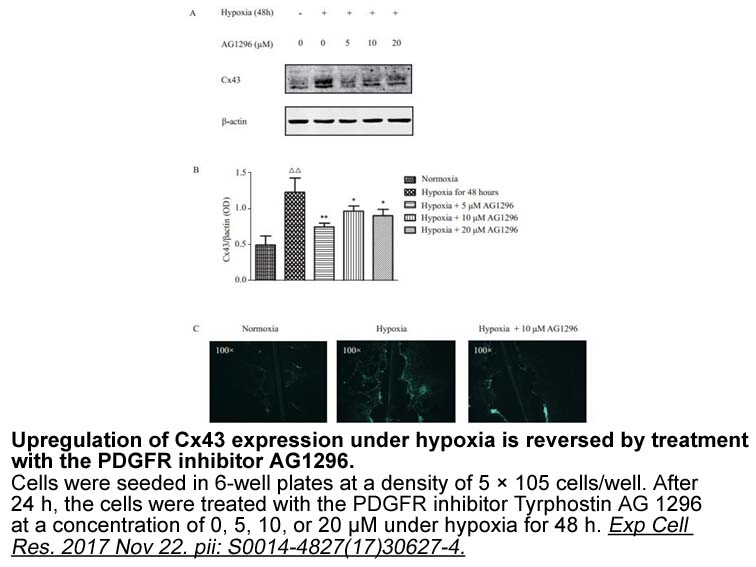
Adenosine is a ubiquitous homeostatic purine nucleoside that accumulates extracellularly in response to metabolic stresses such as hypoxia and inflammation. Activation of either G protein-coupled adenosine receptors (ARs; A1R, A2AR, A2BR, and A3R) by extracellular adenosine can modulate cell signali
-
Finally we show that the optimal
2024-09-13
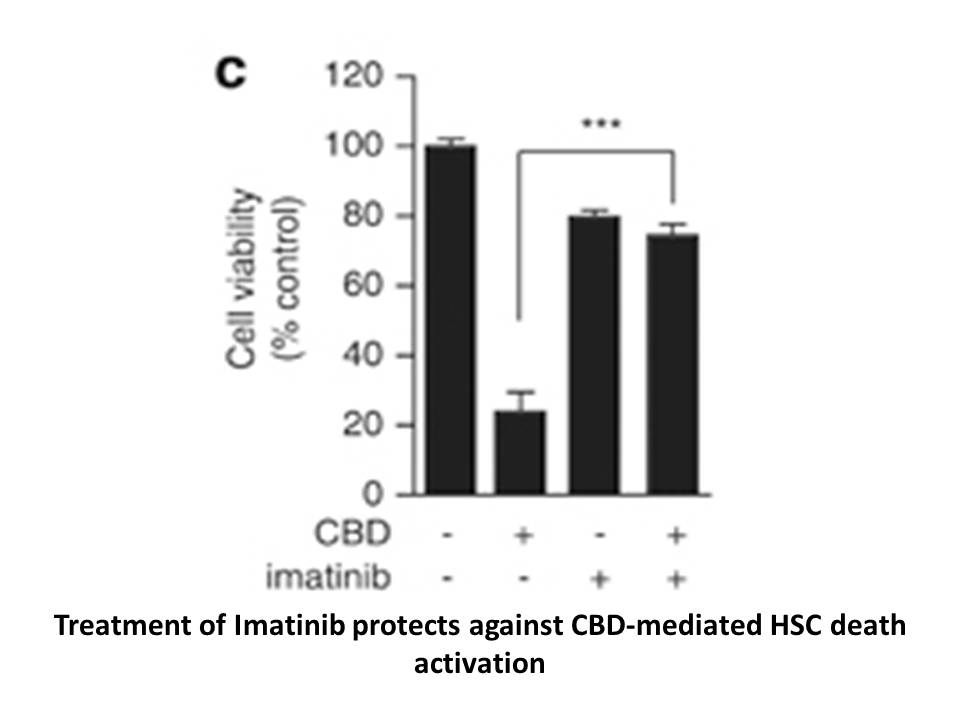
Finally, we show that the optimal corporate tax rate is strictly positive, balancing the increase in tax revenues against the loss in consumer surplus due to higher prices and fewer firms (products). This result is related to the well-known “excessive entry theorem” that shows, for a large class of
-
apomorphine During preparation of this manuscript some
2024-09-13
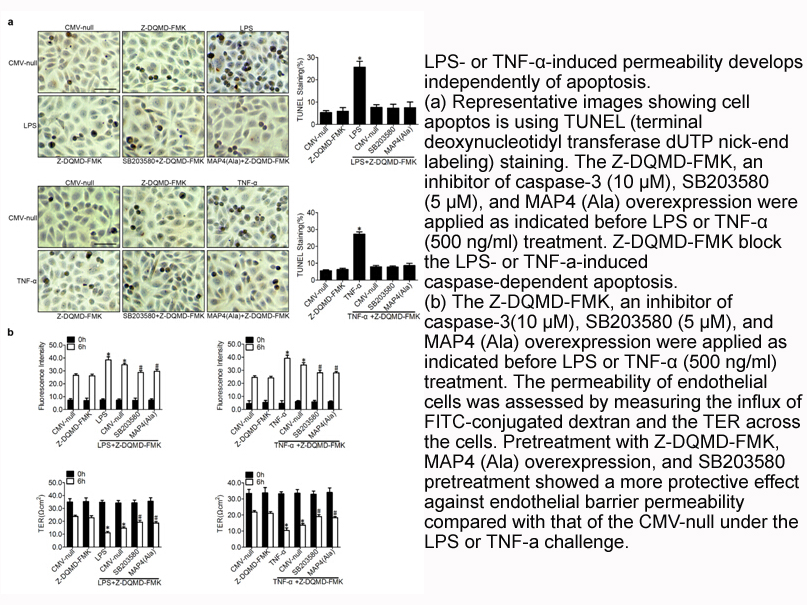
During preparation of this manuscript, some studies investigating effects of Sunitinib on Axl activity in renal cancer have been published [44], [45], [46], [47]. However, there are several important considerations to take into account interpreting results of these studies. First, Sunitinib doses th
-
Accumulating data suggest that ROS trigger autophagy but in
2024-09-13
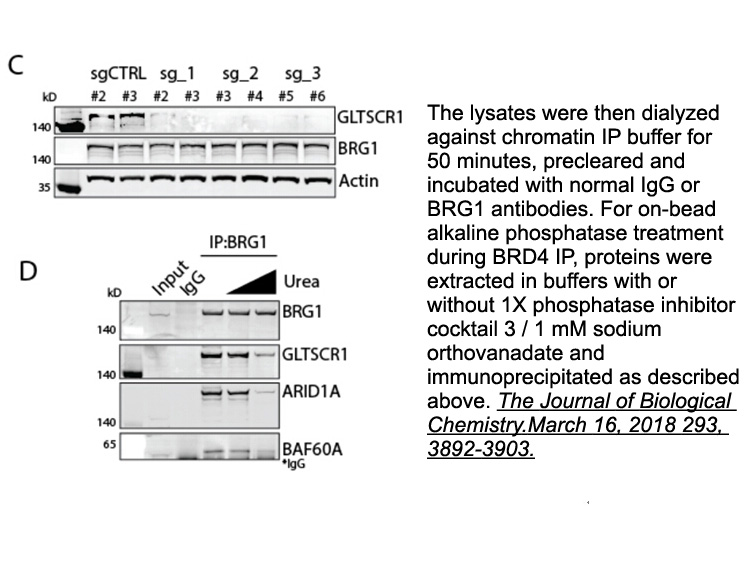
Accumulating data suggest that ROS trigger autophagy but, in turn, autophagy reduces ROS levels [23]. Our results are in agreement because 27-OH mediated autophagy induction interms of LC3 II formation and Beclin 1 protein expression was suppressed by treating the promonocytic cells with the antioxi
-
We used the lead compound C to demonstrate that small
2024-09-13

We used the lead compound C4 to demonstrate that small molecule ACL inhibitors can recapitulate ACL knockdown (KD) in modulation of cancer stemness. We have shown previously that ACL KD reduced the CSC population in multiple cancer cell lines. The E-snail cells are an established CSC model system.
-
br Perspective AA LA and other PUFAs and
2024-09-13
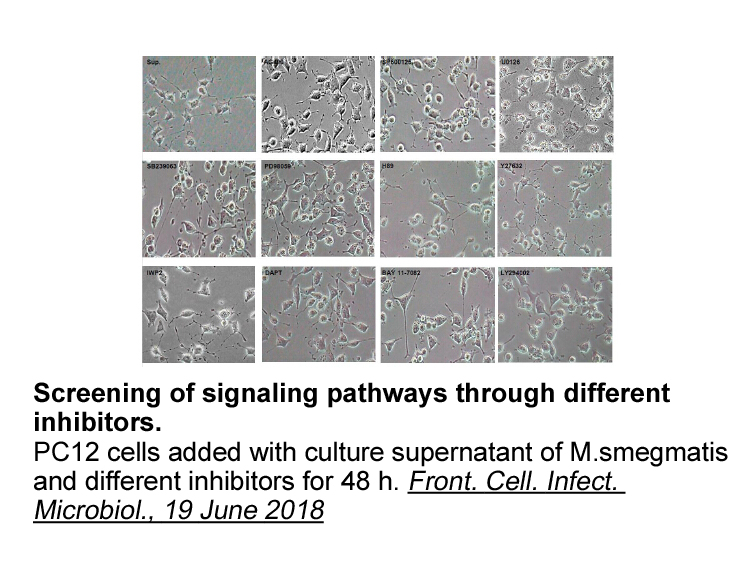
Perspective AA, LA and other PUFAs and their lipid metabolites play an important role in human diseases. 12/15-LOX which is the metabolic enzyme of them plays an important role in the pathogenesis-related diseases such as atherosclerosis, diabetic nephropathy, neurological diseases and other path
-
The R pycnus arginase was identical to the published
2024-09-13

The R. pycnus arginase was 65% identical to the published B. caldovelox arginase sequence (AAB06939). Furthermore, the R. pycnus arginase gene was 62%, 45%, 36% and 22% identical to the published arginase sequences from Bacillus thuringiensis (AJI37018), Thermus thermophiles (WP_038039155), Human ar
15950 records 113/1064 page Previous Next First page 上5页 111112113114115 下5页 Last page